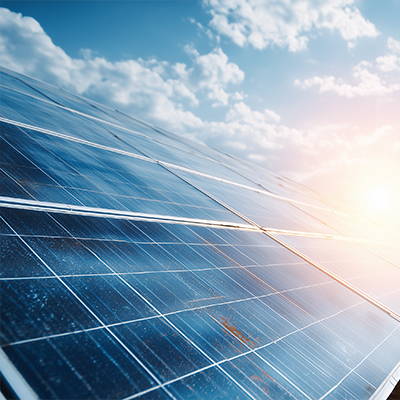
The Solar Panel’s Invisible Shield: Damp Heat Resistance
When investing in solar energy systems, return on investment is inseparable from long-term power output. While high efficiency at installation is important, true value is defined by how well a solar panel performs after years of exposure to harsh environmental conditions. Among these conditions, the combination of high temperature and high humidity is one of the most aggressive—and often underestimated—threats to module reliability. This is where Damp Heat Resistance comes in: the invisible shield that protects solar panels and secures their performance throughout their operational lifetime.
🛡️ Proven Reliability Under DH2000h Testing
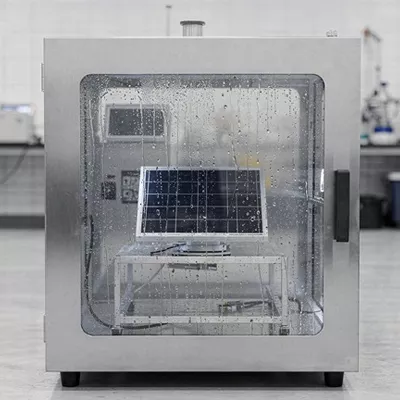
Damp heat resistance is evaluated using the globally recognized IEC 61215 Damp Heat (DH) test. In its most demanding form—DH2000h—solar panels are exposed to:
• 🌡️ 85 °C temperature
• 💧 85 % relative humidity
• ⏱️ 2000 continuous hours
This accelerated aging test simulates years of real-world exposure in tropical, coastal, and high-humidity climates. Panels that successfully complete DH2000h testing with minimal power degradation demonstrate exceptional durability. For example, advanced encapsulant solutions from technology-driven manufacturers such as Dr. Hans Werner Chemikalien achieve less than 5 % power loss after DH2000h, providing clear, measurable evidence of long-term reliability under sustained heat and moisture stress.
🔗 Superior Bonding with Zero Delamination
One of the most common failure modes under damp heat conditions is delamination—the separation of layers within the solar module. Once delamination begins, moisture can penetrate the module, accelerating:
• Metallization corrosion
• Electrical insulation failure
• Irreversible power loss
High-quality encapsulant formulations play a decisive role here. By ensuring strong and uniform adhesion between the glass, solar cells, and backsheet (or rear glass), premium encapsulants effectively eliminate delamination risk. This stable bonding acts as a physical barrier against moisture ingress, significantly reducing corrosion formation and preserving electrical performance even under extreme damp heat exposure.
⚡ Enhanced Protection Against Corrosion and PID
Encapsulants are not just mechanical binders—they form a chemical and electrical defense layer inside the module.
• Corrosion Protection:
By blocking moisture and preventing corrosive by-products, encapsulants protect sensitive silver and copper components that are critical to power generation.
• Anti-PID Performance:
Potential Induced Degradation (PID), driven by high system voltage, can silently erode module output over time. Advanced encapsulants with strong anti-PID properties suppress voltage-induced leakage currents, helping maintain stable power output throughout the module’s lifetime.
Together, these protections ensure long-term electrical stability and reduce the risk of on-site failures.
💡 Encapsulant Choice: The Foundation of Long-Term Damp Heat Reliability
Among all materials used in a solar module, the encapsulant is the single most decisive factor influencing damp heat performance. Its fundamental properties—including chemical stability, moisture barrier capability, adhesion strength, and resistance to thermal and electrical stress—directly determine whether a panel can successfully pass demanding reliability tests such as DH2000h.
High-performance EVA, POE, and advanced multilayer encapsulants, when correctly formulated and laminated, enable solar panels to withstand aggressive temperature-humidity environments while preserving their original energy yield. For this reason, encapsulant selection is not merely a material choice; it is a strategic investment in long-term module reliability and performance.
For solar projects designed for extended service life and predictable returns, Damp Heat Resistance must be a core selection criterion, not an afterthought. Panels equipped with DH2000h-proven encapsulants deliver superior protection against heat and moisture, strong resistance to corrosion and PID, and minimal power loss over time—ensuring that the solar energy system operates efficiently, safely, and profitably throughout its projected lifetime.